


Unreal Engine 4.23 is out now for game developers and it's a rather substantial update. Its main features are undoubtedly the brand new 'Chaos' physics and destruction system, previously seen in the GDC 2019 tech demo, and the many improvements and additions made to the Unreal Engine 4's real-time ray tracing capabilities, first introduced with the previous version (4.22).
New: Chaos - Destruction (Beta)
Revealed in a demo at GDC 2019, Chaos is Unreal Engine's new high-performance physics and destruction system available to preview in Beta form with the 4.23 release. With Chaos, users can achieve cinematic-quality visuals in real-time in scenes with massive-scale levels of destruction and unprecedented artist control over content creation.
New: Real-Time Ray Tracing Improvements (Beta)
Ray Tracing support has received many optimizations and stability improvements in addition to several important new features.
Performance and Stability
A large focus this release has been on improving stability, performance, and quality of Ray Tracing features in Unreal Engine. This means:
- Expanded DirectX 12 Support for Unreal Engine as a whole
- Improved Denoiser quality for Ray Traced Features
- Increased Ray Traced Global Illumination (RTGI) quality
Additional Geometry and Material Support
We now support additional geometry and material types, such as:
- Landscape Terrain (Measured Performance on a 2080Ti in KiteDemo: ~2ms geometry update time and ~500MB video memory)
- Hierarchical Instanced Static Meshes (HISM) and Instanced Static Meshes (ISM)
- Procedural Meshes
- Transmission with SubSurface Materials
- World Position Offset (WPO) support for Landscape and Skeletal Mesh geometries
Multi-Bounce Reflection Fallback
We've improved support for multi-bounce Ray Traced Reflections (RTR) by falling back to Reflection Captures in the scene. This means that intra-reflections (or reflections inside of reflections) that are displaying black, or where you've set a max reflection distance, will fall back to these raster techniques instead of displaying black.
This can subtly improve the quality of reflections without using multiple raytraced bounces, greatly increasing performance.

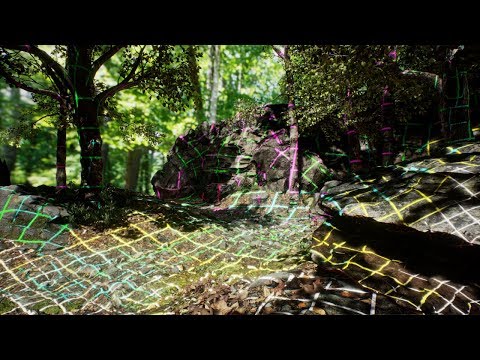
Another major tool new tool added in Unreal Engine 4.23 for game developers is the Virtual Texturing beta, which should allow makers to create large textures while using lower memory footprint. Check out a video demonstration below.


About the author: With over two decades of experience in gaming journalism, Alessio Palumbo has led the gaming vertical at Wccftech since August 2015. He started working at a young age for Italian websites like Everyeye.it, Gamestar.it, Nextgame.it, and Multiplayer.it before kickstarting the indie English-language publication Worlds Factory as its founder and Editor in Chief. In the last decade, he has coordinated the overall output of Wccftech's gaming section, managed PR relations, assigned reviews, produced daily news coverage, edited gaming content as needed, and delivered game reviews. Arguably, his trademark content is the long series of exclusive developer interviews that have been cited by Wikipedia and by the biggest news media and gaming publications. His passion for technology also makes him knowledgeable when it comes to gaming hardware and tech. His favorite genres include RPGs, MMORPGs, and action/adventure games.
Follow Wccftech on Google to get more of our news coverage in your feeds.


