


SK hynix has reportedly achieved "phenomenal" yield rates with its 1c DRAM modules, making the Korean giant the dominant force in the segment.
SK Hynix Asserts Its Dominance In The DRAM Segment Once Again As It Achieves a Notable Breakthrough With 1c DRAM Technology
Well, the HBM race is getting pretty tight, and it seems like SK hynix has managed to get a grip over its other competitors. The segment is focused on pushing out HBM4 memory modules, given that this standard is said to bring about the "next revolution" in computational capabilities. According to the Korean media outlet Hankooki, SK hynix has significantly upsized the 1c DRAM yield rates, which means that the firm could take an edge over both the consumer memory and HBM segments, although the firm is expected to capitalize on the latter one.
The 10nm 6th-generation DRAM is now said to have achieved a yield rate of 80%- 90%, which is a massive improvement in a short period, given that back in H2 2024, the firm was said to be at 60%. With the firm being focused on HBM4 production for now, we do expect "1c-based" DDR5 memory solutions not to arrive in the markets soon. However, we can see the DRAM technology in action with HBM4, likely the superior HBM4E.

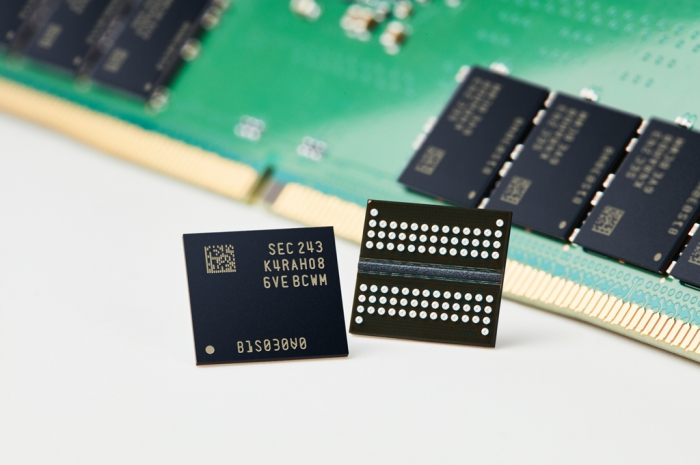
With this achievement, it is safe to say that SK hynix has overthrown Samsung to be leading the DRAM segment in terms of technological superiority for now. While Samsung has been developing its own 1c DRAM modules for quite some time now, the firm is still finding it difficult to get a grip, given that recently, we reported on how they are re-evaluating 1c DRAM modules to achieve better yield rates. SK hynix will be the first firm to start mass production of HBM4, way ahead of competitors, and it seems like the gap will continue to grow.


About the author: Muhammad Zuhair is a hardware and technology reporter for Wccftech, specializing in the semiconductor industry and the complex interplay between technology, manufacturing, and geopolitics. His coverage focuses on the corporate strategies and technological roadmaps of industry giants like TSMC, NVIDIA, Samsung, and Intel. Zuhair's expertise lies in deconstructing complex topics such as fabrication nodes (e.g., 2nm process), the economic impact of policies like the CHIPS Act, and the strategic development of AI infrastructure from NVIDIA, AMD and Intel.
Follow Wccftech on Google to get more of our news coverage in your feeds.


