


Despite the NES being an incredibly popular system, Nintendo was the only company making steady profit, according to a CAPCOM veteran Yoshiki Okamoto.
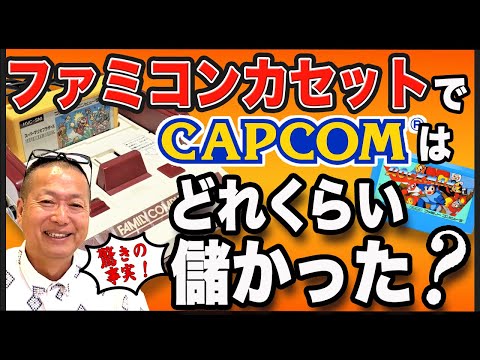
As reported by Automaton, the Japanese developer, who produced some of CAPCOM's best classic games like Street Fighter II, recently discussed in a video shared on YouTube how a third-party developer like CAPCOM struggled to earn money releasing Famicom/NES games. While he admits there are probably some exceptions, Okamoto-san says in the video that Nintendo was the only company making steady profits back then, as everyone else involved in the production of games didn't make much money, retailers included. For example, out of a game costing 10,000 yen, 3,000 yen went to the retailer, 4,000 yen to the developer, and 3,000 yen to Nintendo, with 1,500 yen going to the manufacturing contractors. The issue was that Nintendo had to be paid upfront for the exact number of copies, so only Nintendo was getting a guaranteed profit. Companies new to the console market at the time, like CAPCOM, did not have a lot of cash on hand, and so these upfront costs were a burden, often requiring taking out bank loans. With the time it took to deliver cartridges and for CAPCOM to get paid from distributors, the publisher would have to deal with six months' worth of bank interest, which would further eat into any profit CAPCOM made, together with every other cost, including the risk of having unsold copies.
With the arrangement above continuing to be a thing for years, it's unsurprising to hear Okamoto-san describe the launch of the first PlayStation as a revolution for third-party developers. During the first PlayStation era, CAPCOM's profit increased significantly, thanks to lower production costs and a more developer-friendly returns policy, as the company would give back to the publisher its share for unsold copies, essentially charging only the manufacturing costs. Restocking was also much faster, which allowed CAPCOM to take advantage of sudden popularity spikes of their games.
While Nintendo's first-party line-up was often more than enough to make its systems popular, the loss of third-party support for the Nintendo 64 was a decisive blow that compromised the system's popularity in many regions. Things have changed a lot since the late 90s, however, and with third-party developers aiming to massively support the Nintendo Switch 2, it looks like the company has finally managed to mend those relationships ruined by its old strict policies


About the author: Francesco De Meo has been covering video games and technology since 2012, starting his career at small outlets like Gamersyndrome and GeekSnack. After joining Wccftech gaming section in 2015, he quickly expanded his video gaming coverage with in-depth reporting, interviews with iconic industry figures such as Grasshopper Manufacture founder and No More Heroes creator Goichi "Suda51" Suda, Resident Evil series creator Shinji Mikami, Team NINJA's president and Nioh series director Fumihiko Yasuda, and Silent Hill creator Keiichiro Toyama, reviews and on-the-ground coverage of major industry events such as Gamescom and E3. When he's not reporting or reviewing, Francesco can be found playing the genres he loves most, spending time with his six cats, reading, writing music, playing guitar and drumming for his progressive rock band.
Follow Wccftech on Google to get more of our news coverage in your feeds.


